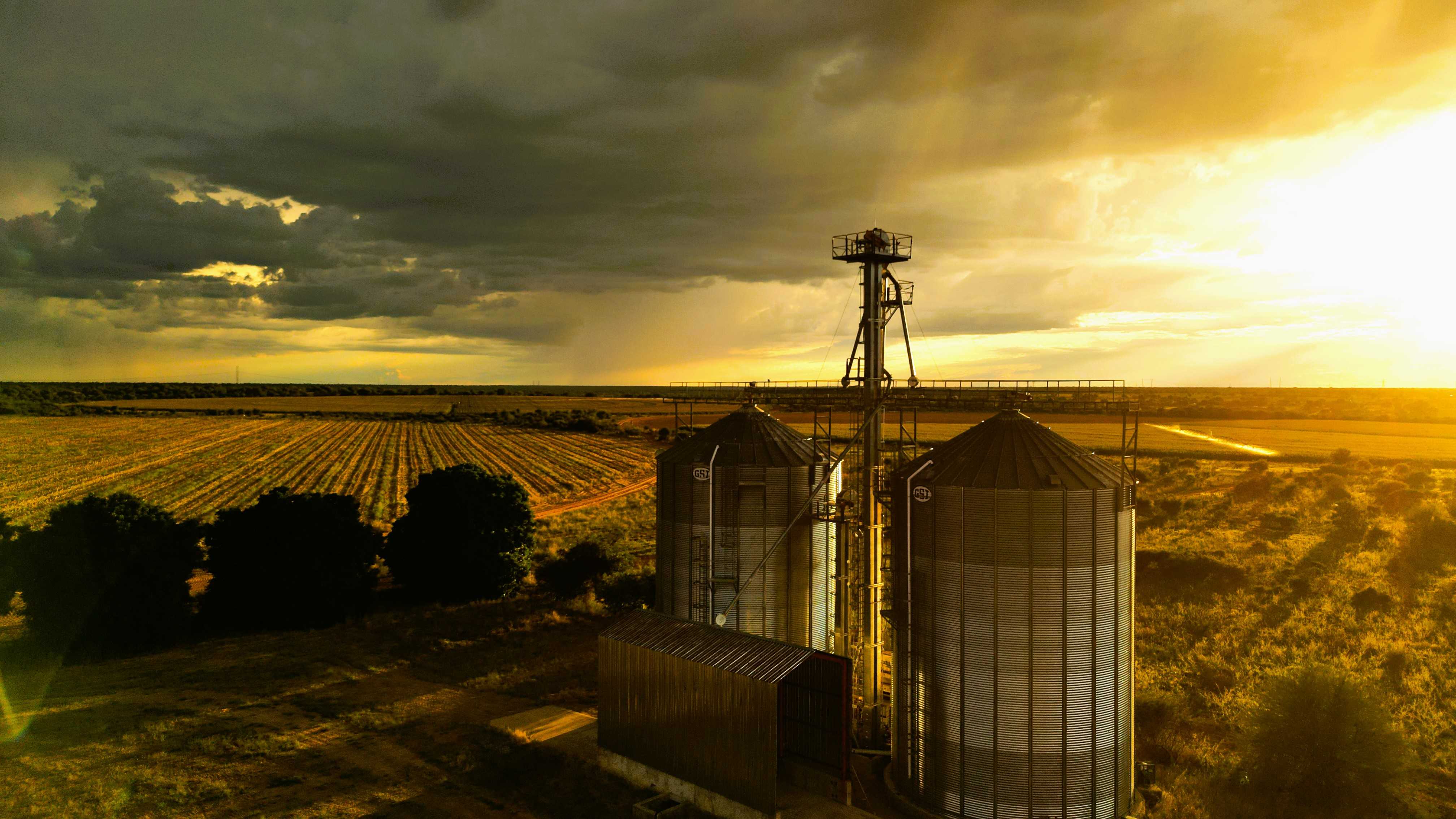
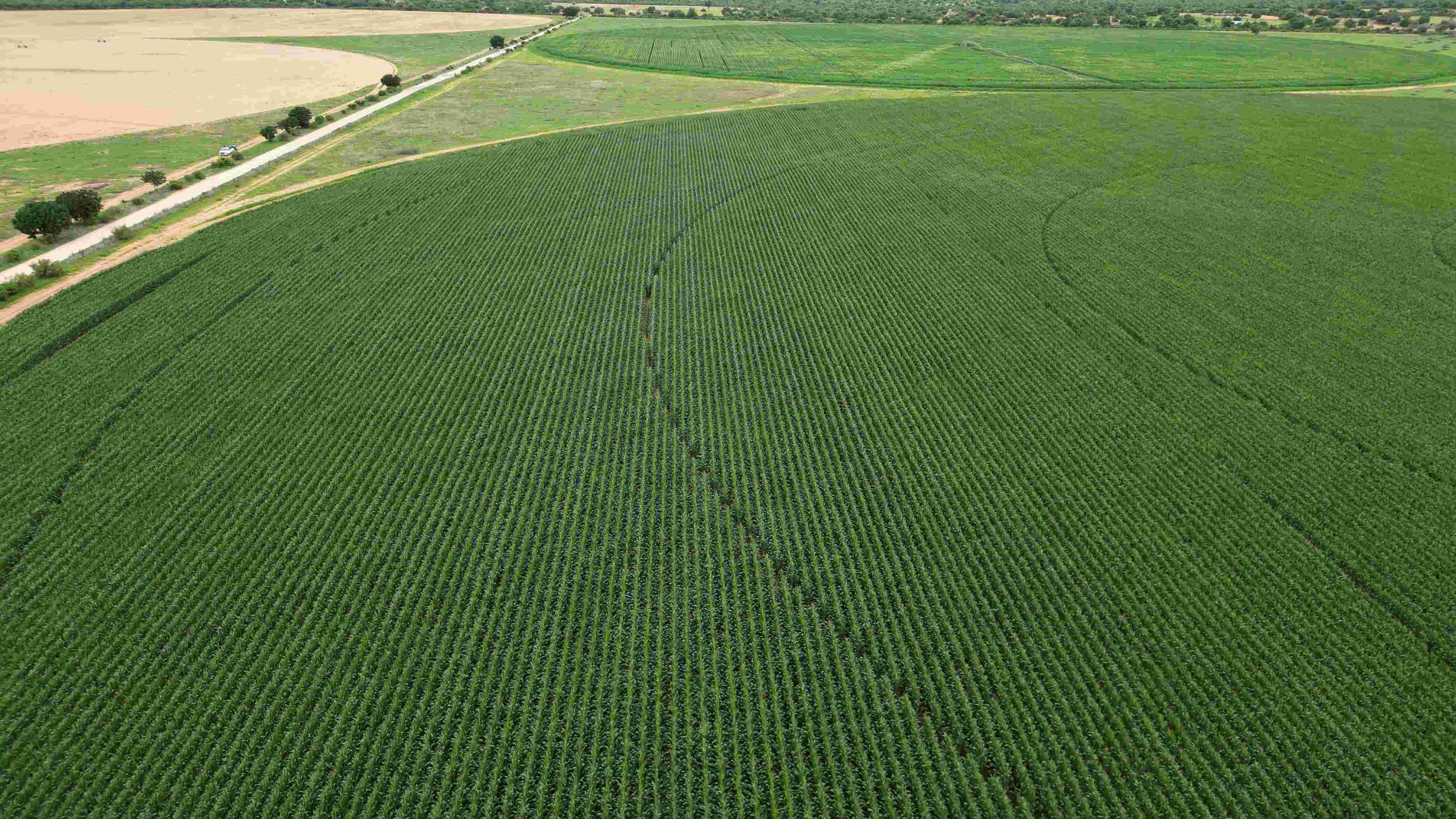
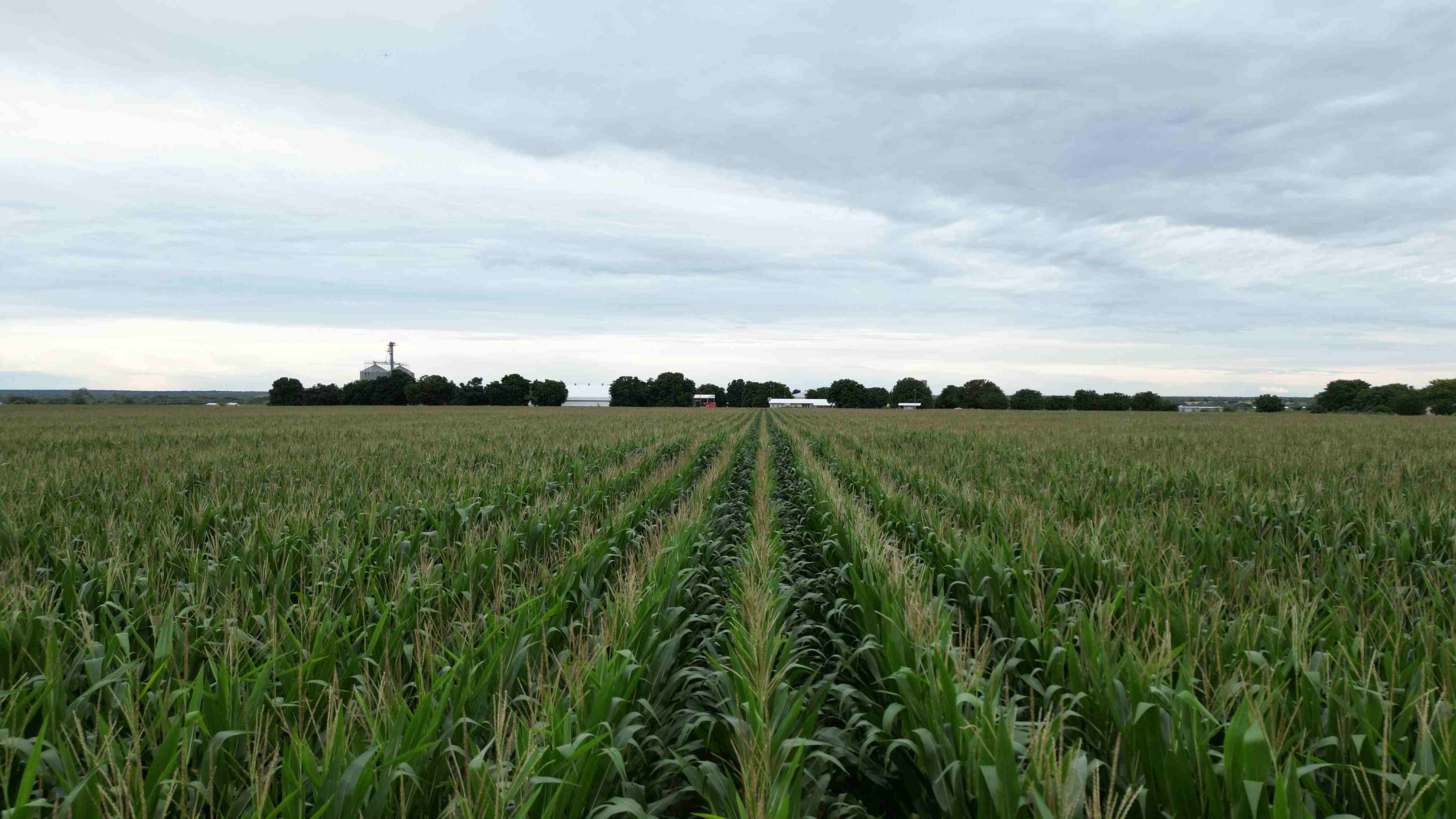
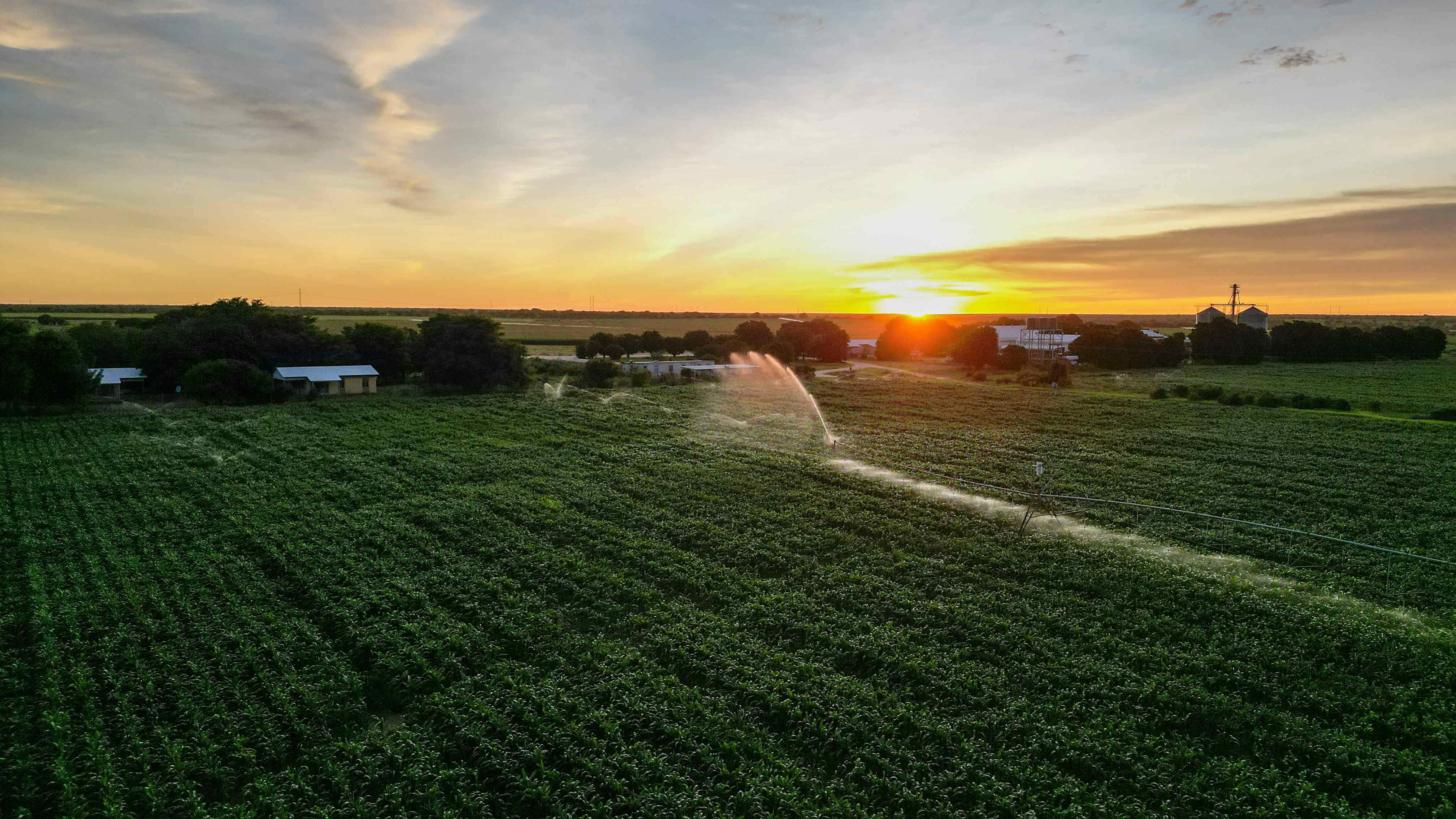
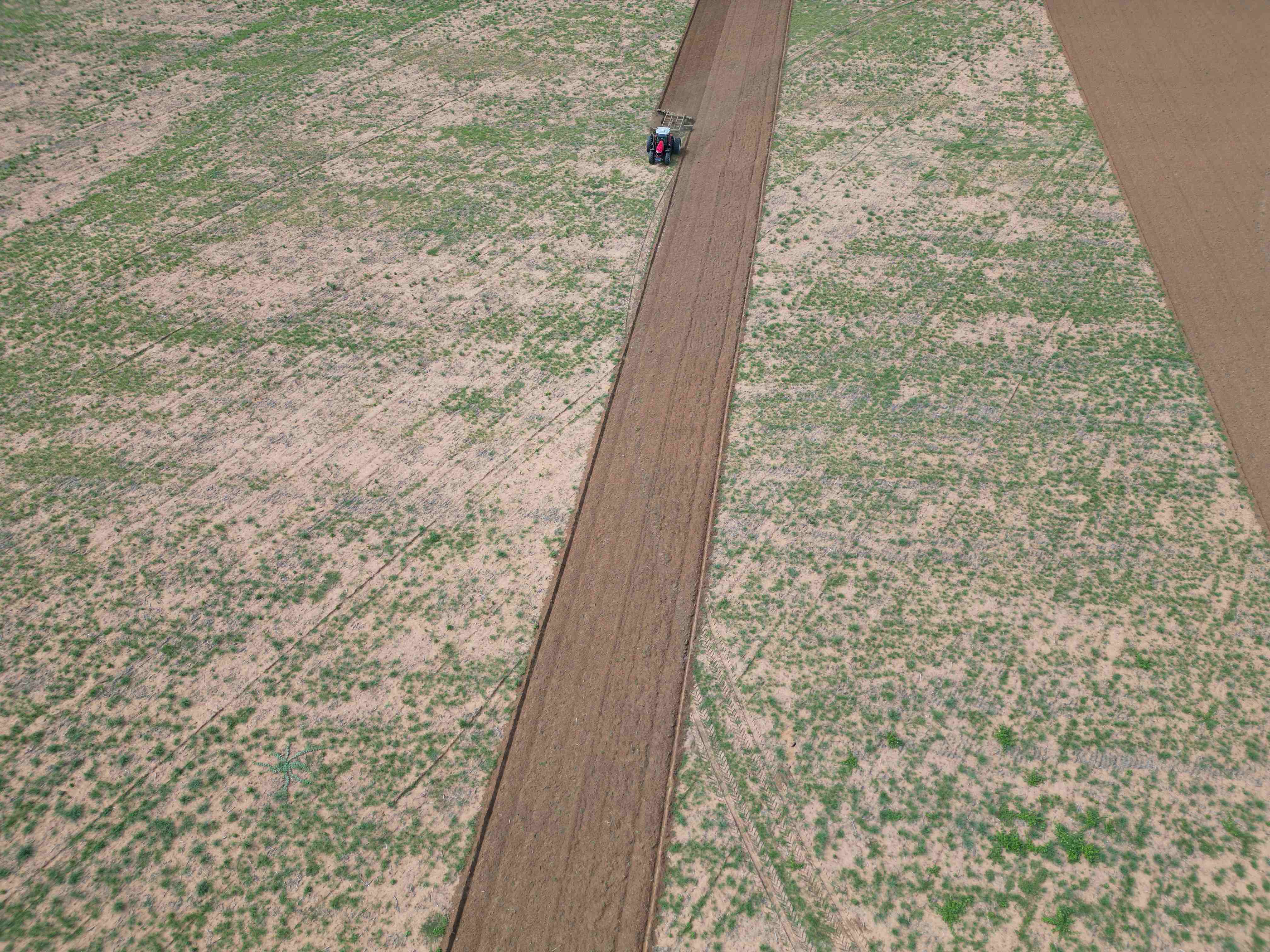
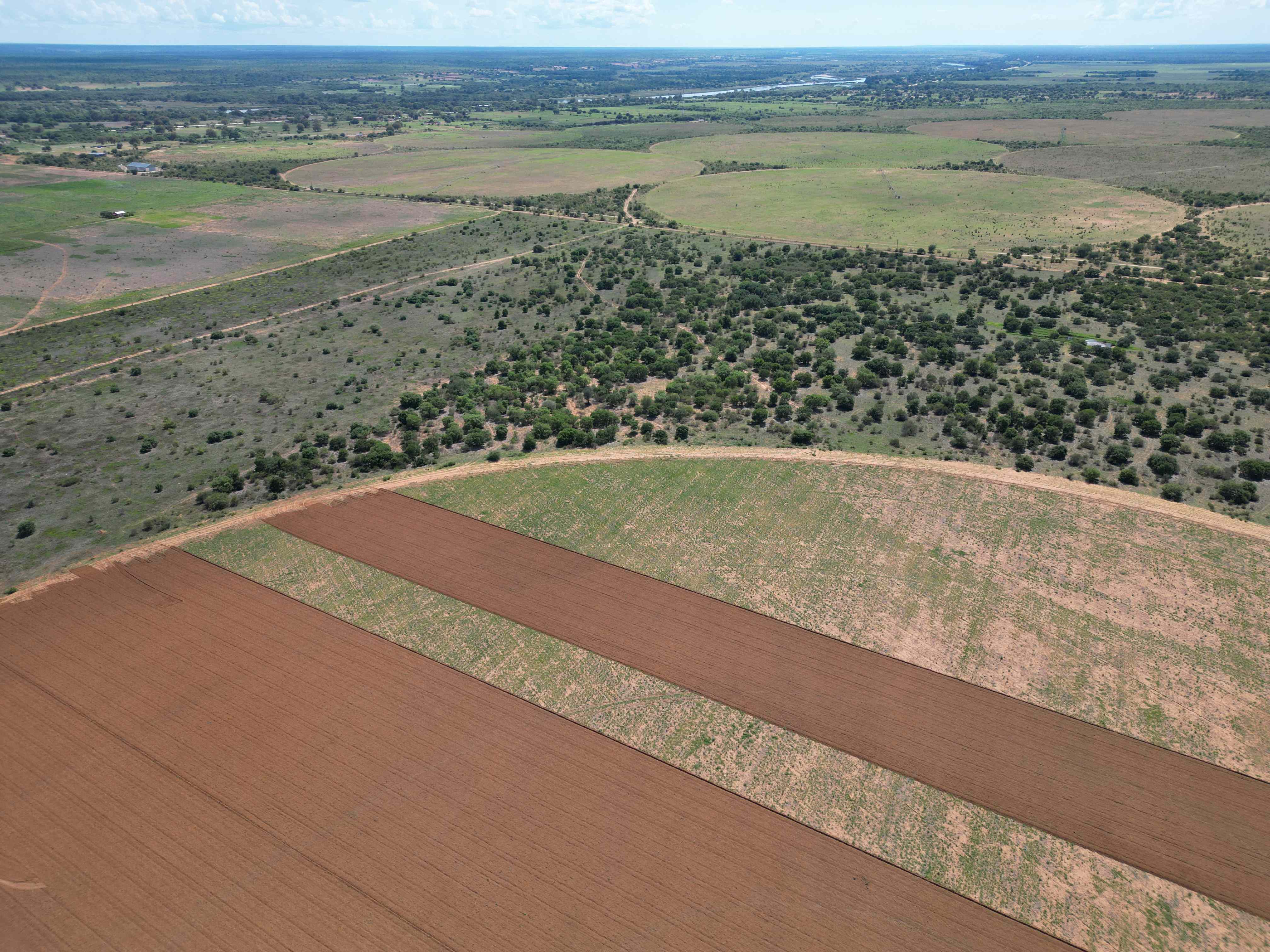
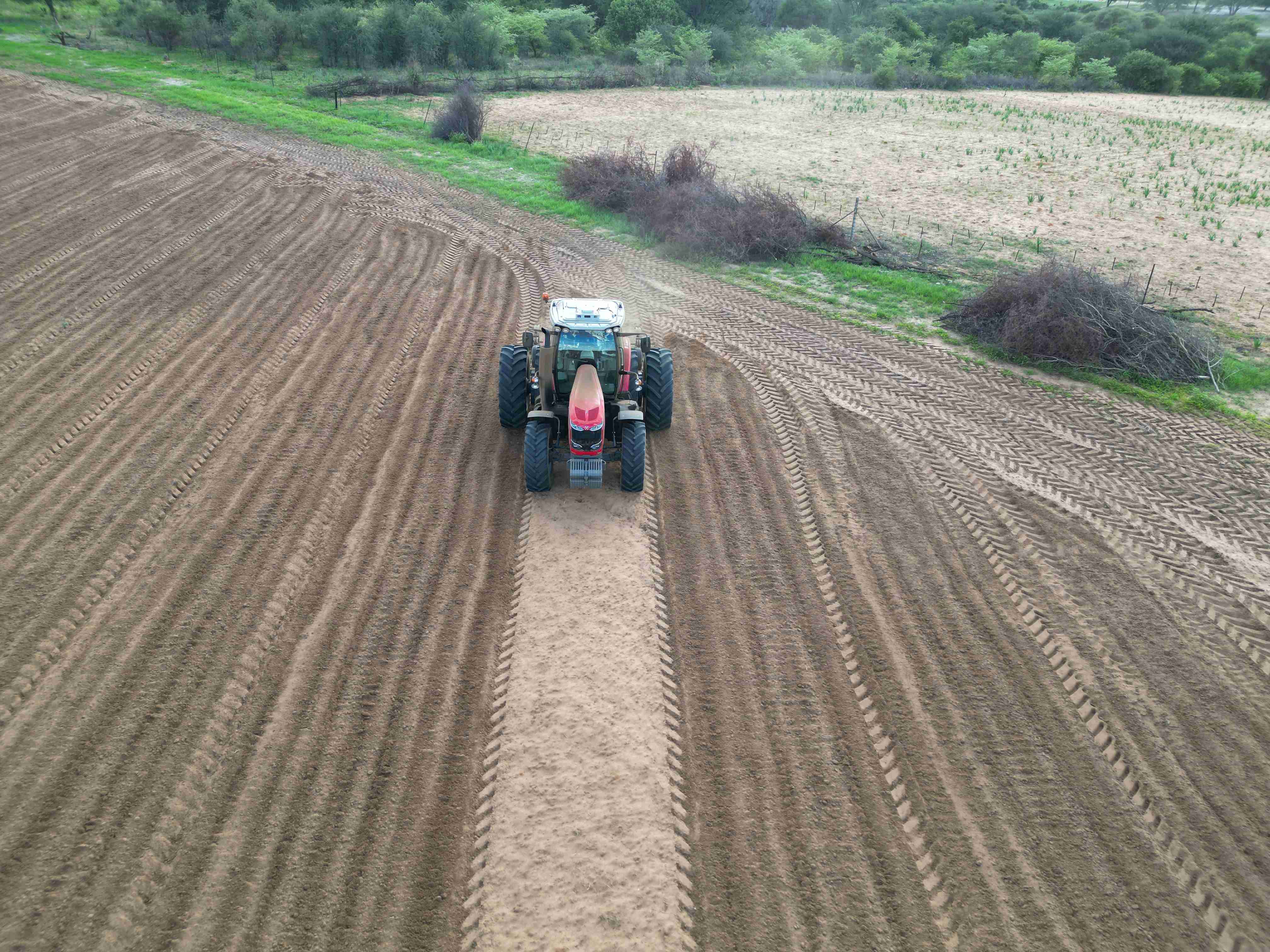
NamIQ runs a farm end to end — fields and satellite crop health, workshop and diesel, grain through the weighbridge, wages, VAT, and the till in the shop. Written on a working Namibian irrigation scheme, not adapted from somewhere else.
Every hour meter, every litre of diesel, every pass of a sprayer and every millimetre a pivot puts down lands in the same system as the ledger. That is the whole point: the cost of a job and the doing of it are the same record.
Positions, pressures, kW and kVA read straight off the SCADA. Water metered per block, and the electricity bill checked against what the pumps actually drew.
Control & SenseHour meters, services falling due, what each machine is rated to pull, and the diesel it drank on the job it was doing.
Fleet & FuelA chemical job needs a manager's approval, a PPE check and a batch number before a drum is opened. What went out is what gets costed.
Work OrdersNothing is bundled to pad an invoice. A cattle farmer takes fields and fleet; a milling business takes finance and the till; a green scheme takes the lot. Prerequisites are shown before they are charged for — you should never discover on the invoice that one module dragged in another.
Fields with real surveyed boundaries, soil results, scouting notes, irrigation events, and satellite crop health on every clear pass.
Plan and dispatch field work — who, which machine, which field, which chemical. Gains input lines and picking when Inventory is on.
Machines and implements, hour meters, services due, maintenance history, and what each machine is rated to pull.
Diesel issued against a machine and a job, litres per hectare per operator. Turns into N$ per hectare once Finance is on.
Stock with batches and AVCO costing, the general ledger, VAT, debtors, creditors, invoicing and statements. The spine everything else posts into.
Tickets straight off the indicator, silo balances, dispatch notes, and settlement reconciled back against what the miller actually paid.
Clock in and out from a phone, hours and overtime per worker, per day, per job. Works on its own without payroll.
Payslips and payroll runs under Namibian rules. Every run posts to the ledger, so wages are in the books the day they are paid.
Reads the SCADA on the pump stations — pivots, pressures, kW and kVA, water metered per block, and the electricity bill checked against it.
A touch till that scans barcodes, takes cash and card, cashes up per shift, and keeps selling when the line goes down. Priced per shop.
Companies, users, roles and the audit trail. Always on, never charged for — you cannot run a business system without knowing who did what.
Sentinel-2 imagery clipped to your surveyed boundary — not a rectangle around it. NDVI for vigour, NDRE for nitrogen, NDMI for canopy moisture, and hectares split into healthy, moderate, weak and bare.
A wedge of stress on one side of a pivot means a machine, not a drought. That is the kind of thing a number alone never tells you.
Shops in Rundu and Divundu do not have the internet Windhoek has. The POS holds its price list on the machine, keeps selling through an outage, and sends the sales up when the line comes back.
Each shop carries its own stock, its own shelf prices and its own staff. Divundu costs more than Rundu because the goods have to get there, and the system knows it.
VAT at 15% with maize meal and bread zero-rated per Schedule III. The N$1 000 000 registration threshold from the 2024 amendment. NAB levies on the landed price. Transport deducted only when the buyer hauls.
Every stock movement, wage run and sale posts a balanced journal as it happens. Your accountant opens a trial balance, not a spreadsheet somebody keyed in at year end.
Workers sign in by scanning their badge. Drivers see their jobs, acknowledge them, scan the field on arrival. Storemen pick against a work order and scan what actually went out.
It all works with no signal and syncs later — because the place the work happens is usually the place with no signal.
A monthly subscription per company, plus a charge per till for shops. No setup fee, no per-user charge, no charge for the people who only clock in and out. Quoted in Namibian dollars.
Falling behind never locks you out. An account that lapses becomes read-only — everything can still be opened, printed and exported. Your books are yours.
NamIQ was built on a working irrigation scheme in Kavango East and it is still run there every day. The quickest way to judge it is to watch it do a real job on a real farm.
Trials run for 30 days on your own data, with your fields and your stock loaded. Nothing is charged until you have run a month end on it.